Working from home in 2026 isn’t a convenience – it’s a battlefield. Your office is wherever you can find a flat surface: spreadsheets sprawled across the kitchen, conference calls echoing from the couch, notifications pinging while your dog tries to hijack your keyboard. It’s not discipline that keeps you afloat. It’s pure luck and a stable Wi-Fi.
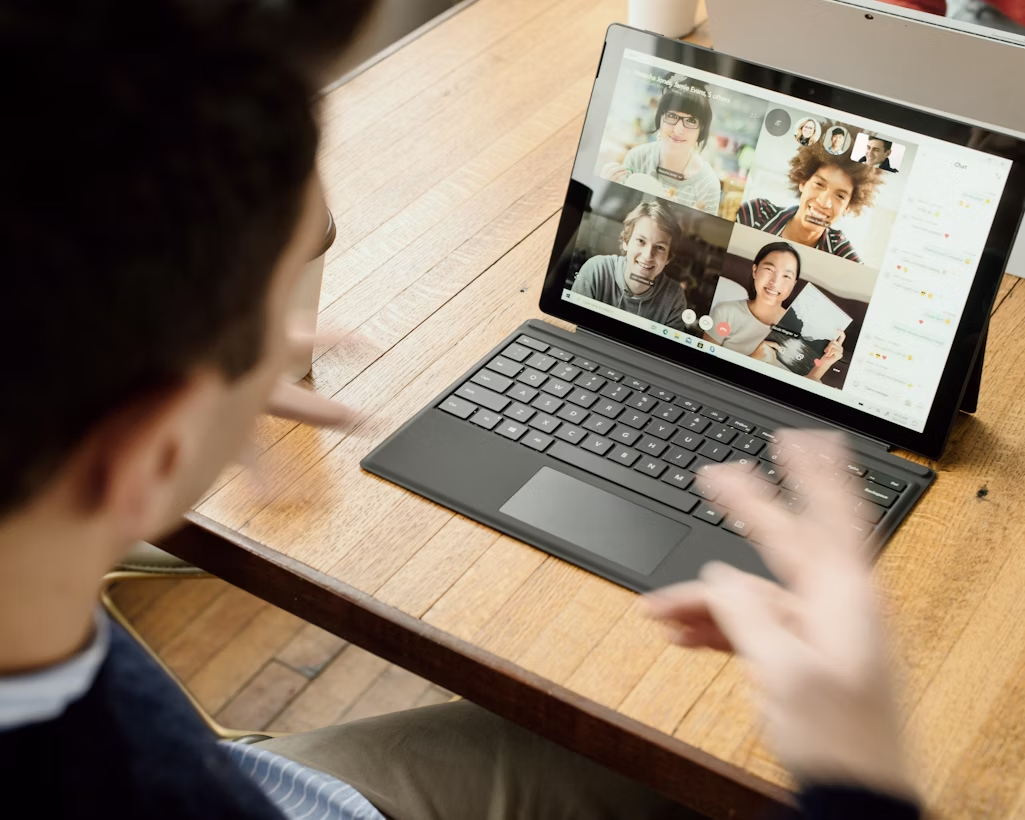
One frozen call, one upload that won’t go through, and your meticulously planned day devolved into missed deadlines and high-stress improvisation. Every click, file, and connection is important because in our world, the internet is more than simply a tool. When it flows, everything works. When it falters, even the simplest activity might feel like climbing a mountain. That invisible line – your connection – can make or break your day, and in 2026, it is the hero of every distant collaboration.
Why the internet has become critical for working from home
Remote workers use high-speed internet not just for communicating with colleagues, but also for working with cloud services, video conferencing, and collaborating on large files. And it’s not just about convenience: any connection interruption can cost lost time, stress, and, in the case of projects with deadlines, money. Various studies have confirmed that bad connections have prevented 80% of remote workers from getting work done.
Key parameters of a remote work plan
Choosing an internet plan isn’t simply a matter of “higher speed is better.” In 2026, it’s important to consider several factors that truly impact your day:
- Download and upload speeds: Downloading is responsible for receiving data: video conferences, streaming, and cloud documents. Uploading is necessary when distributing huge files, giving online courses, or streaming. For normal HD work, 10-15 Mbps is sufficient; serious cooperation requires 50 Mbps or more.
- Connection stability: Even a gigabit plan won’t help if your connection fails every 10 minutes. In 2026, technologies that prioritise data packets will help minimise lag, especially during peak hours.
- Traffic limits: Many underestimate this factor. Unlimited or high-limit plans allow you to work without worrying about a video call or project upload eating up your entire monthly plan.
- Response time (ping): For online collaboration, cloud rendering, or gaming, this is critical: latency above 50-70 ms is noticeable and annoying.
- Connection type: Fibre, LTE, or 5G? Mobile internet has become stable, but in rural areas, LTE can suffer from lag, while fibre provides a smooth data flow.
When choosing a plan, it’s best to test it at different times of day and read reviews from people who actually use it for work, not just social media.
Looking for a suitable job based on your internet requirements
Sometimes choosing a plan and finding a job go hand in hand. Platforms like Jooble allow you to find retired people remote roles, jobs for students, or experienced professionals in various fields. Jooble monitors over 140,000 sources to bring together job vacancies from all across the internet, adding around 300,000 new postings each day. Each month, almost 90 million individuals use the site to look for possibilities.
And for many of them, internet speed and connection stability are crucial. For an online tutor, designer, project manager, or call centre operator, the most important thing is that everything runs smoothly. In 2026, picking the right internet plan is just as important as picking the right job: your workflow depends on it.
A couple of working tips as a bonus
First of all, compare authentic reviews, test speed and ping at various times of day, and consider plan flexibility: can you adjust the speed or add channels without incurring additional fees?
Another life hack: if you work with video and the cloud, try connecting to a backup channel – LTE or 5G. Sometimes this “backup” option can save the day when the main internet connection unexpectedly goes down.
Final word
Choosing an internet plan in 2026 isn’t about hunting for the cheapest deal or bragging about a few extra megabytes. It’s about setting yourself up so you can actually get stuff done without tearing your hair out. A solid connection isn’t just convenient – it’s the backbone of a productive day at home.
Nowadays, the internet is part of the job. And if it flops, your “work from home” day can quickly turn into one long, frustrating fight with your Wi-Fi.